GeoHistory Journey
Carthage: from Origins to Mediterranean Transformation
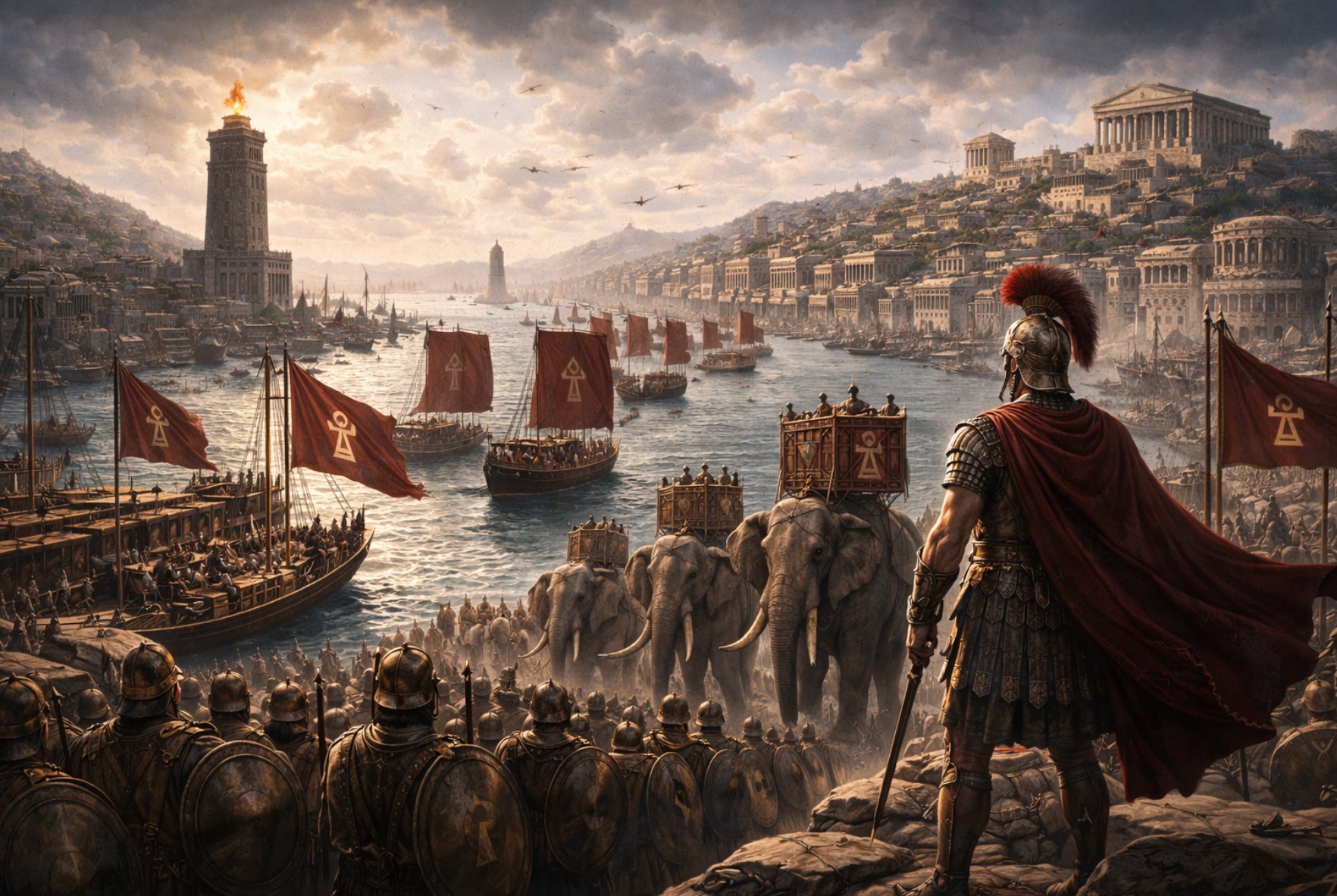
This journey spans the western Mediterranean from 814 BC to AD 698, tracing Carthage from a Phoenician foundation to Roman refoundation and Vandal, Byzantine, and Arab conquests. Phoenicians, Sicilian Greeks, Romans, Numidians, Iberians, Vandals, Byzantines, and Arabs drive the plot through treaties, wars, sieges, and political upheavals. Political dynamics range from mercantile oligarchies, consuls, and suffetes to reformers and commanders; the economy revolves around harbors, Iberian mines, African grain, and indemnities; society reveals multiethnic cities and Numidian tribal alliances; religion moves from Punic cults to Christianity and Islam. Innovations appear in shipbuilding, Dionysius’ siege engines, Roman and Vandal fleets, Hannibal’s administrative reforms, and the planned urbanism of Qart Hadasht and Augustan Carthago. Diplomacy (the treaties of 509, 348, and the Ebro agreement) alternates with total crises (the Mercenary War, the Punic Wars, the terminal sieges of 146 and 698), showing how treaties can frame, precipitate, or avert conflict. The legacy is a city repeatedly remade: Punic capital, Roman colony and metropolis, Vandal court, Byzantine stronghold, and finally a node reshaped within the Islamic world, with trade routes and urban continuities reimagined. Not available: none.
This Journey requires a free account to open the interactive experience.