GeoHistory Journey
The History of Yugoslavia
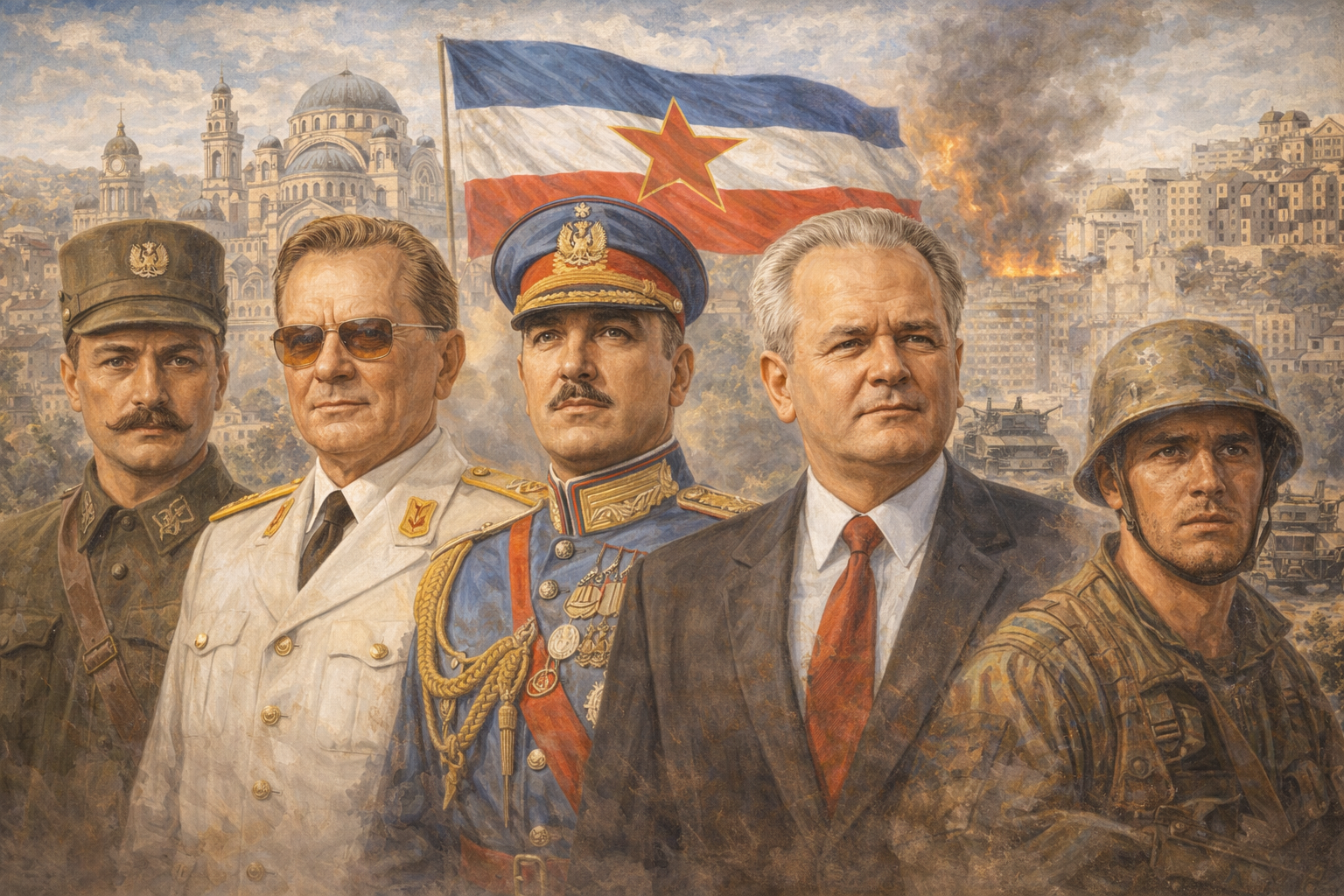
Yugoslavia emerged from the ruins of collapsing empires and the ambition to forge a Slavic union in a restlessly changing Europe. Throughout the twentieth century, centralization and federalism struggled for primacy, while war and later socialist self-management tried to impart cohesion to a mosaic of peoples, languages, and divergent memories. Tito’s charisma and the non-aligned path held the country together for decades, yet centrifugal forces — fueled by economic crises, identity fears, and leaders seeking legitimacy — returned with vigor after his death. Institutions designed to balance diversity became arenas of contention, eventually shattering into wars that ended the federation and produced new states. Against this backdrop, international diplomacy, tribunals, and the push for European integration sought to mend deep wounds that still shape the region’s politics and public memory.
This Journey requires a free account to open the interactive experience.