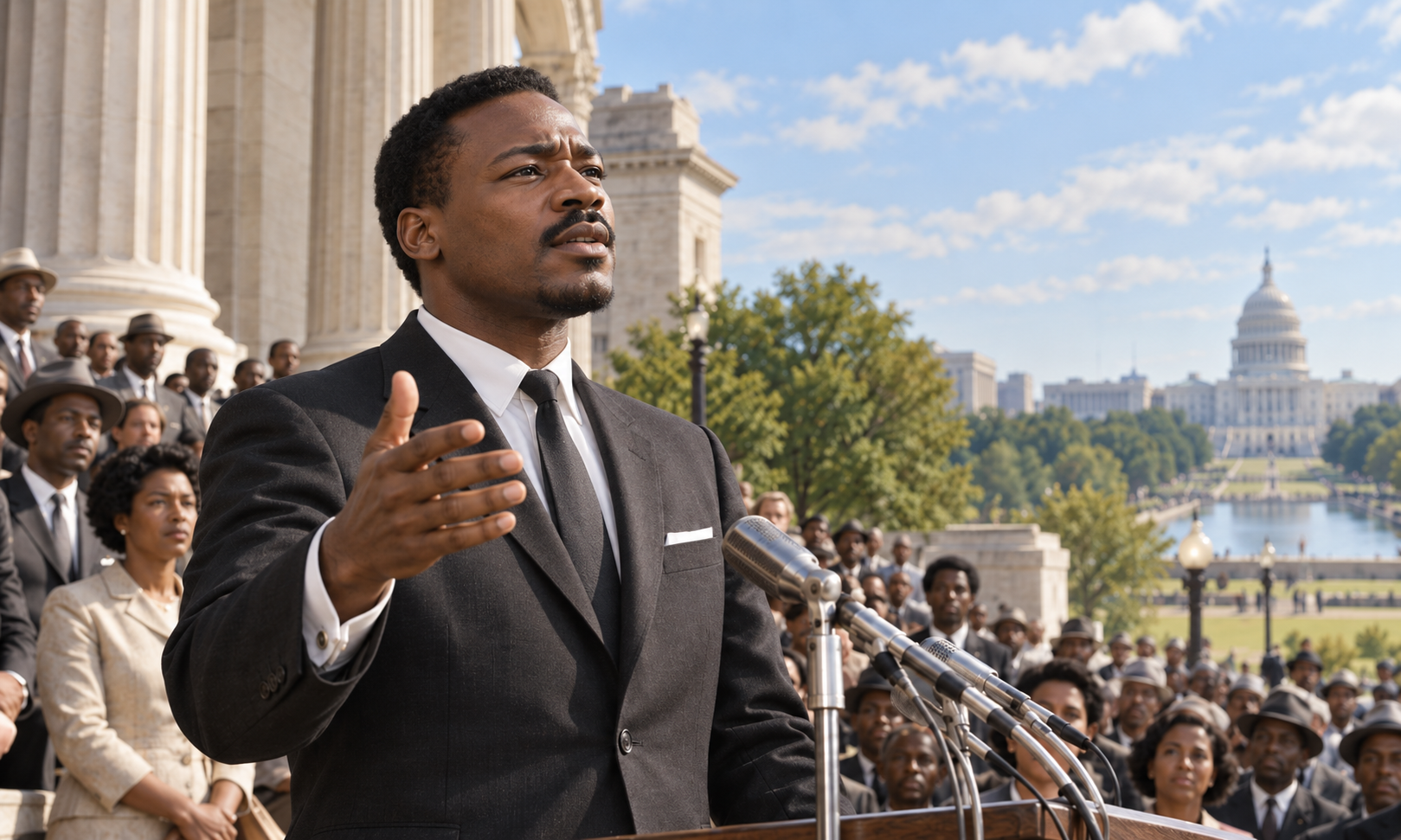
Martin Luther King Jr
Martin Luther King Jr.’s life runs through the core of twentieth-century America: born in the Jim Crow South, raised within the Black church and middle-class networks, shaped by northern universities and seminaries, he became a pastor and then the face of a movement that reshaped the nation. From pulpits to mass mobilizations, from boycotts to negotiations, he fused faith, constitutional promises, and a disciplined nonviolent strategy tested against hostile officials, courts, the media, and federal power. The legislative gains of 1964 and 1965 rewired civil rights law yet exposed broader fronts—urban poverty, residential segregation, and the Vietnam War. As the struggle widened, northern campaigns, the Riverside speech, and the Poor People’s Campaign took form, even as violence tried to silence him. King’s assassination in Memphis cut short a voice and hastened overdue reforms, but the legacy took root: institutions, memorials, a federal holiday, and—above all—a civic grammar that still teaches students and citizens how change is built with courage, method, and moral imagination.